

Our agenda at COP31: Feminist funding, extreme heat and frontline focus
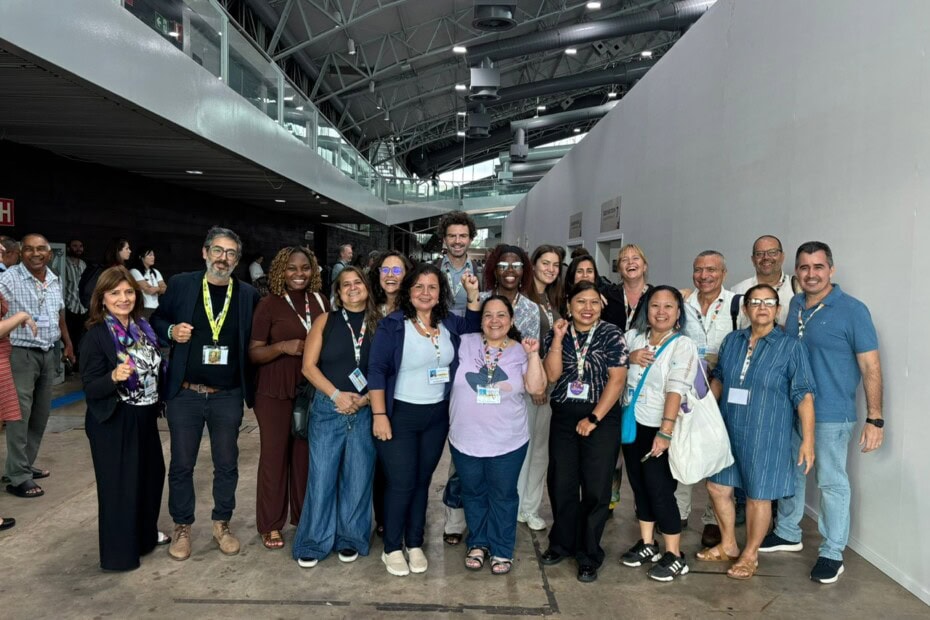
Starting today, until 20 November, world leaders will once again come together for the annual United Nations Climate Change Conference (COP31), which is this year taking place in Antalya, Türkiye. Mama Cash is also there, with partners from the Global Alliance for Green and Gender Action (GAGGA) as well as grantee-partners from all over the world, to advocate for gender-just locally led solutions that connect climate justice, biodiversity, land restoration and community resilience – and for climate finance that reaches the women-led organisations already driving change.
Women, girls and marginalised groups are leading action on the frontlines of the climate crisis. Across the world, feminist movements are driving innovative adaptation and mitigation efforts, covering transforming food systems, just transition, inclusive governance and resource management, while addressing the root causes of climate injustice. At COP31, we are calling for funders and policymakers to:
- Recognise the bold and innovative solutions feminist movements are leading to adapt and respond to the climate crisis. Women, girls, trans and intersex people are not just disproportionately impacted by climate change, but they are on the frontlines of adaptation and mitigation
- Ensure more just and accessible climate finance reaches the communities and local organisations on the frontlines, including by resourcing effective intermediaries of climate finance such as feminist funds and socio-environmental funds
- Centre the rights of structurally excluded groups in just transition policies, ensuring that the drive for renewable energies does not perpetuate old patterns of extractivism, land dispossession and the violation of Indigenous People’s rights.
Together with our partners from the Global Alliance for Green and Gender Action, and as members of the UNFCCC Women and Gender Constituency, we will continue to push world leaders to recognise the role of feminist movements in driving a just and sustainable future.
GAGGA’s latest research explores the detrimental impacts of extreme heat, a consequence of climate change, on the health of women, trans and non-binary people in the Global South – specifically how it impacts menstruation, kidney disease and more. Read the full research here and an overview of GAGGA’s priorities at COP31 here.
GAGGA events at COP31

Nature Security and Women-Led Resilience in a Changing Climate
On Monday 9th of November, two GAGGA speakers will take part in this event on biodiversity loss and ecodegradation, bringing frontline perspectives on women’s leadership, environmental justice and community-led solutions.
Development & Climate Days at COP31: A look into the future
On Saturday November 14th, this session will bring together climate negotiators, practitioners and locally led adaptation advocates. GAGGA speakers will talk about the importance of effective intermediaries and feminist funding ecosystems.
Press Conference – Extreme Heat, Gender and Climate Justice: Why Women-Led Action Matters
Also on November 14th, GAGGA will launch its latest report with a press conference, highlighting the gendered impacts of extreme heat as well as showcasing women-led community solutions and their vital role in building climate-resilient communities.
Beyond Participation: Resourcing Women-Led Climate Solutions in the Face of El Niño
Finally, on Wednesday November 18th, this official side event co-organised with NTFP-EP, NIDWAN and Vital Voices will spotlight women environmental human rights defenders and women-led community-based organisations leading the way in climate disaster response, including extreme heat events and El Niño. The event will bring community voices together with climate finance institutions, bilateral donors and other decisionmakers.
Women-led organisations and communities are key
The urgency and severity of the climate crisis requires governments to act fast: the 1.5°C warming limit identified in the Paris Agreement is officially no longer viable. And yet there is still opportunity to scale up the solutions that can prevent further warming; women’s funds around the world, who are already resourcing the women-led organisations doing the hard work on the frontlines, are ready to get climate finance where it needs to go. Let’s hope world leaders in Türkiye will finally agree.